Explore how belief systems shape our perceptions, influence our choices, and define our identity—and why understanding them is key to personal growth.
Summary:
Our belief systems are the foundation of how we interpret the world, interact with others, and make decisions. This article explores what belief systems are, how they are formed, and their impact on personal growth. Understanding our own belief systems is the first step in challenging limiting beliefs and creating more empowering perspectives.
Key Points
- What are Belief Systems? – Belief systems shape our values, actions, and worldview. They can be religious, cultural, personal, or societal.
- How Belief Systems Develop – Formed through family, culture, education, and experiences, they are reinforced over time.
- The Power of Belief Systems – Beliefs influence emotions, decisions, and behaviors, either helping us grow or limiting our potential.
- Conclusion – Recognizing belief systems is the first step toward self-awareness and transformation.
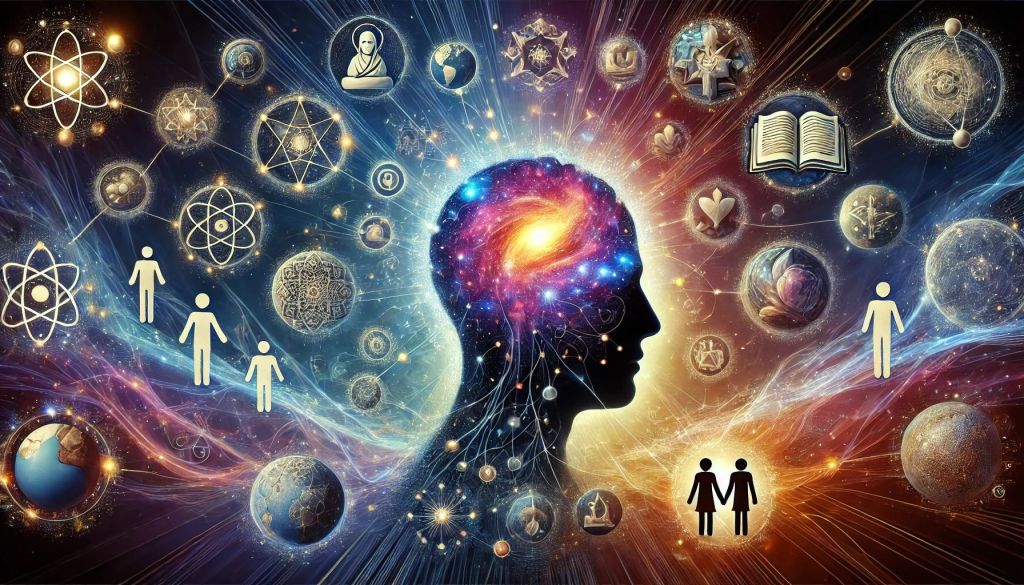
Why Understanding Belief Systems Matters
Every decision we make, every assumption we hold, and every reaction we have is influenced by a deeper framework—our belief system. But how often do we stop to question these beliefs?
I’ve had moments in my life where I realized I was operating on beliefs that weren’t actually mine. One belief I carried for years was that being financially successful meant sacrificing spirituality. This belief was ingrained in me from early influences, but when I truly examined it, I saw it wasn’t objectively true—it was simply a perspective I had internalized. The moment I challenged it, new opportunities opened up, allowing me to see money as a tool rather than something that defined my values.
This realization made me curious: What other beliefs am I holding that are shaping my life?
Understanding our belief systems is essential for personal growth, better relationships, and gaining control over our lives. When we identify the subconscious beliefs that guide us, we can decide whether to keep, refine, or replace them.
What are Belief Systems?
A belief system is a collection of thoughts and convictions that shape our worldview. These beliefs influence our values, decisions, and emotional responses to different situations.
Belief systems can be categorized into different types, including:
- Religious/Spiritual beliefs – Guiding principles based on faith and spirituality.
- Cultural beliefs – Norms and traditions passed down through generations.
- Personal beliefs – Self-perceptions and convictions about abilities, worth, or potential.
- Societal beliefs – Collective beliefs held by a community or society about success, relationships, or ethics.
Some beliefs are empowering, pushing us toward growth, while others limit us, keeping us stuck in old patterns. For example, someone who believes “I am not good at public speaking” will likely avoid opportunities to speak, reinforcing that belief over time.
How Belief Systems Develop
From the moment we are born, we are shaped by our environment. Our beliefs are influenced by:
- Family: Parents, siblings, and caregivers pass down values and expectations.
- Culture & Society: The norms and traditions we grow up with influence our thinking.
- Education & Media: Schools, books, movies, and social media shape what we perceive as true.
- Personal Experiences: Repeated experiences—both positive and negative—reinforce our beliefs.
Personal Insight: Growing up, I believed that expressing emotions—especially as a man—was a sign of weakness. This belief was reinforced by cultural expectations, media, and even subtle social cues. As I got older and started my journey into self-development, I realized that emotional intelligence is actually a strength. It allows deeper connections, self-awareness, and leadership. This shift in belief changed how I interact with people and how I see myself.
This is why questioning our beliefs is so important. Some beliefs serve us well, while others hold us back.
The Power of Belief Systems
Our belief systems directly influence:
- Our thoughts – What we focus on and how we interpret situations.
- Our emotions – How we react to challenges, success, or failure.
- Our behaviors – The actions we take (or avoid) based on our beliefs.
For example, someone who believes “I am unworthy of love” will unconsciously sabotage relationships or reject genuine affection. On the other hand, someone who believes “I am capable of learning anything” will take on challenges with a growth mindset.
Recognizing the power of beliefs means taking responsibility for how we see the world.
Conclusion: The First Step to Transformation
Our belief systems shape how we experience life, but the good news is that we can choose which beliefs to keep and which ones to challenge.
Reflecting on our beliefs gives us the power to reshape them. In the next article, we’ll explore how to identify and examine our own beliefs—especially the ones that may be limiting our growth.
What is one belief you’ve questioned or changed in your life? Share in the comments!
 Engineer Your Life