Learn practical strategies to manage emotions in a healthy way, enhancing self-awareness, relationships, and overall well-being.
Summary: Emotional regulation is the ability to navigate emotions effectively rather than being overwhelmed by them. This article explores why emotional regulation is essential, practical techniques for managing emotions, and how to build a personal regulation plan. Developing these skills can lead to better relationships, improved decision-making, and a more balanced emotional life.
Key Points
- Why Emotional Regulation Matters: Emotionally regulated individuals make better decisions, communicate effectively, and experience less stress.
- Techniques for Regulating Emotions: Practical strategies such as breathing exercises, mindfulness, cognitive reappraisal, and physical movement help manage emotions constructively.
- Building a Personal Emotional Regulation Plan: Creating a go-to plan for handling intense emotions ensures consistent emotional balance.
- Conclusion: Developing emotional regulation skills enhances resilience and well-being.
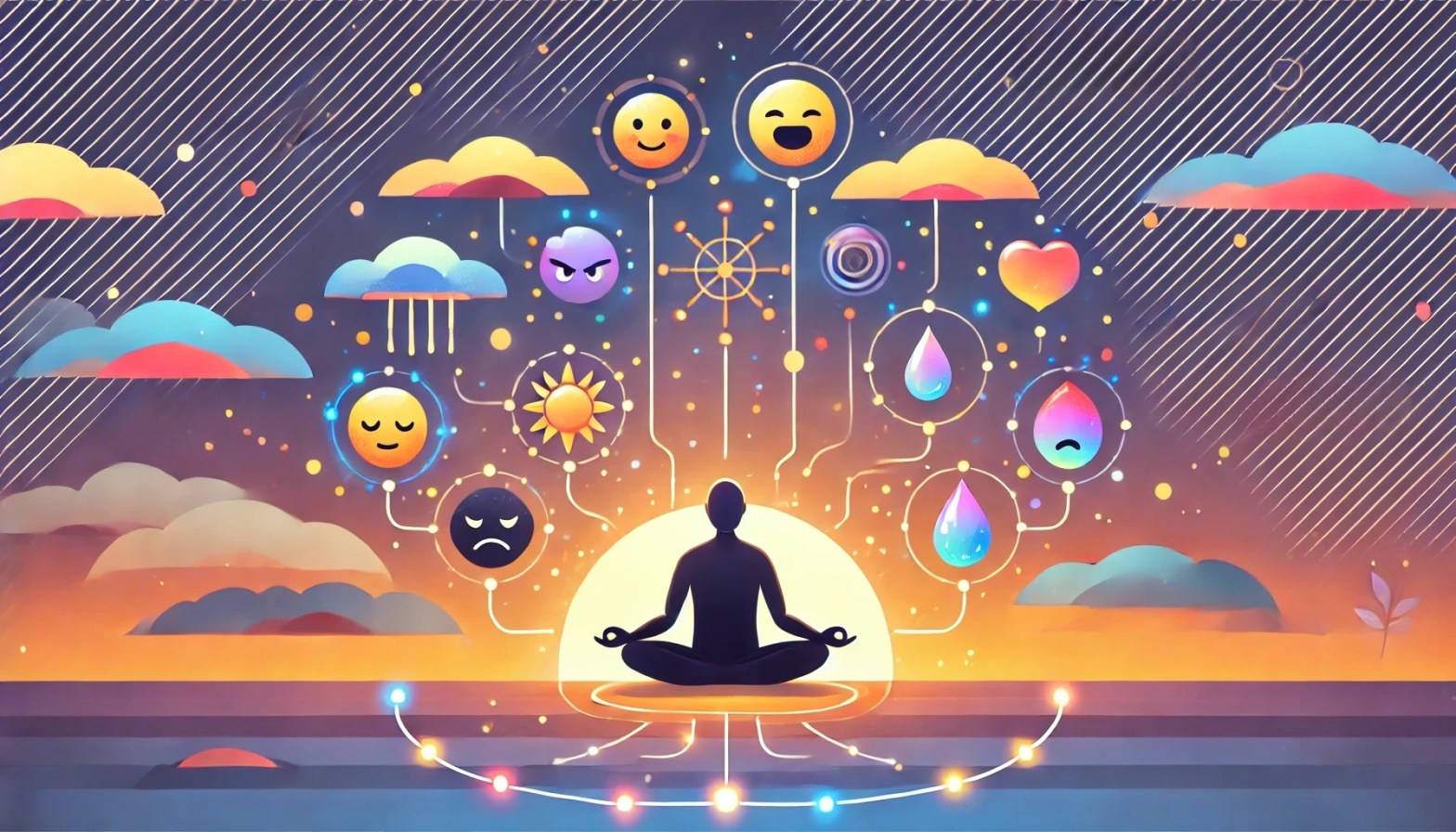
When Emotions Take Over
Last week, I was scammed. I lost money, and more than that, I felt foolish, embarrassed, and angry. My mind kept spiraling around the event—I replayed every step, every red flag I had ignored, every way I could have avoided it. The emotions weren’t just in my thoughts; I felt them in my body. A tightness in my chest, tension in my jaw, irritation creeping into my interactions. Even when I wanted to let it go, I couldn’t at first.
This is what happens when emotions take over. Sometimes, they become so strong that they shape our behavior before we even realize it. But through emotional regulation, we can regain control, process emotions in a healthy way, and move forward rather than getting stuck.
Why Emotional Regulation Matters
When emotions become overwhelming, they can lead to impulsive reactions, strained relationships, and stress-related health issues. Emotional regulation allows us to:
- Maintain clarity in high-pressure situations.
- Strengthen communication and relationships by reducing reactivity.
- Improve problem-solving skills by allowing space for thoughtful responses rather than emotional outbursts.
Studies have shown that people who regularly practice emotional regulation experience greater resilience, stronger leadership skills, and an overall sense of emotional well-being.
Regulation vs. Suppression:
- Suppressing emotions (pushing them away) often leads to increased stress and eventual emotional outbursts.
- True regulation means recognizing emotions, understanding their root causes, and choosing how to respond in a way that serves you.
When I was caught in my emotional spiral after the scam, I wasn’t regulating—I was stuck in it. It wasn’t until I applied some of the strategies I’ll discuss below that I was able to let go, shift my perspective, and return to a balanced state.
Techniques for Regulating Emotions
There are several strategies that help manage emotions effectively:
1. Breathing Exercises
- Deep, intentional breathing helps calm the nervous system, reducing stress and reactivity.
- Slowing the breath signals to the brain that the body is safe, shifting from a fight-or-flight response to a more relaxed state.
- Personal Insight: When I feel emotionally triggered, I often return to my breath. Not only does it calm my nervous system, but it also reconnects me with my body. By focusing on my breathing, I become present, and the trigger itself starts to lose its intensity.
2. Mindfulness
- Mindfulness involves observing emotions without judgment.
- Instead of reacting impulsively, mindfulness allows you to pause and acknowledge what you’re feeling before deciding how to respond.
- Techniques such as meditation or body scans can help build mindfulness as a daily practice.
3. Cognitive Reappraisal (Changing Perspective)
- Shifting perspective on a situation can reduce its emotional impact.
- Instead of thinking “This person is attacking me,” try “They may be acting from their own past experiences or emotions.”
- Personal Insight: This technique has helped me tremendously. When I shift my perspective, I can step into compassion rather than self-pity. It allows me to see that situations are not always about me, which reduces emotional intensity.
4. Physical Activity
- Movement helps release stored emotional energy, particularly stress or frustration.
- Activities like walking, stretching, or exercising can help regulate emotions and restore a sense of balance.
- Personal Insight: At work, when I feel frustrated, I make it a habit to stand up from my desk and take a short walk. This simple change of state often shifts my mood entirely. I also notice that when I’m stressed, I move faster—almost rushing through hallways. When I catch myself doing this, I intentionally slow down and adjust my breathing. This not only calms my nervous system but also reminds me that I am in control.
5. Taking a Break (Time-Out Strategy)
- When emotions are heightened, stepping away from a situation allows time to self-soothe and regain perspective.
- This technique is especially helpful in relationships. Research from John Gottman suggests that couples who take intentional breaks during conflicts return to discussions with more emotional control and clarity.
- Personal Insight: If I feel overwhelmed during a difficult conversation, I sometimes take a short break. This gives me time to reflect and return with a calmer mindset. However, it’s important to agree on a time to revisit the discussion so the issue isn’t ignored.
Building a Personal Emotional Regulation Plan
Having a structured approach for handling intense emotions can prevent emotional overwhelm. Here’s how to create a personal regulation plan:
- Identify Your Emotional Triggers: Reflect on which situations, words, or actions tend to trigger strong emotions in you.
- Recognize Your Default Reactions: Do you fight, flee, freeze, or appease? Understanding your patterns is key to changing them.
- Choose Your Go-To Techniques: Select a few strategies that work best for you—breathing exercises, a short walk, journaling, or perspective-shifting.
- Practice Regularly: Emotional regulation is a skill that improves with time. By incorporating these techniques into daily life, they become second nature when challenging situations arise.
Conclusion: Strengthening Emotional Resilience
Practicing emotional regulation has transformed both my professional and personal life. In my career, it has helped me approach workplace challenges with more patience, allowing me to stay open-minded and empathetic instead of shutting down. In my personal life, it has led to deeper fulfillment and connection with my wife, as I am more present and able to act from a positive state rather than reacting emotionally.
Developing emotional regulation skills is a powerful step toward greater self-awareness, resilience, and well-being. These techniques not only improve relationships and decision-making but also foster a sense of inner peace and balance.
In the next article, we’ll explore how emotional intelligence builds on emotional regulation, helping to deepen self-awareness, empathy, and leadership skills.
Which emotional regulation techniques have helped you the most? Share your thoughts and experiences below.
 Engineer Your Life