A personal experience of being scammed led to valuable lessons on emotional awareness, relationships, and the importance of spreading positivity and love.
Summary: Being scammed is never an easy experience. It can trigger emotions like embarrassment, sadness, and anger. Reflecting on a recent incident, this article explores the emotional journey such experiences create and the lessons they offer in regulating emotions, fostering open communication, and showing up with empathy and compassion in a complex world.
Key Points
- The Experience and Initial Reaction: The scam incident led to immediate emotional responses of anger, sadness, and embarrassment.
- The Emotional Impact: These emotions influenced interactions with others, causing irritability and frustration.
- Lesson 1 – Emotional Awareness and Regulation: Recognizing emotions and learning how to regulate them is crucial to maintaining healthy relationships.
- Lesson 2 – Vulnerability and Communication: Sharing the experience with a loved one helped reduce emotional weight and fostered empathy and support.
- Lesson 3 – A Larger Perspective on Humanity: The incident offered insight into the importance of spreading love and compassion in the world.
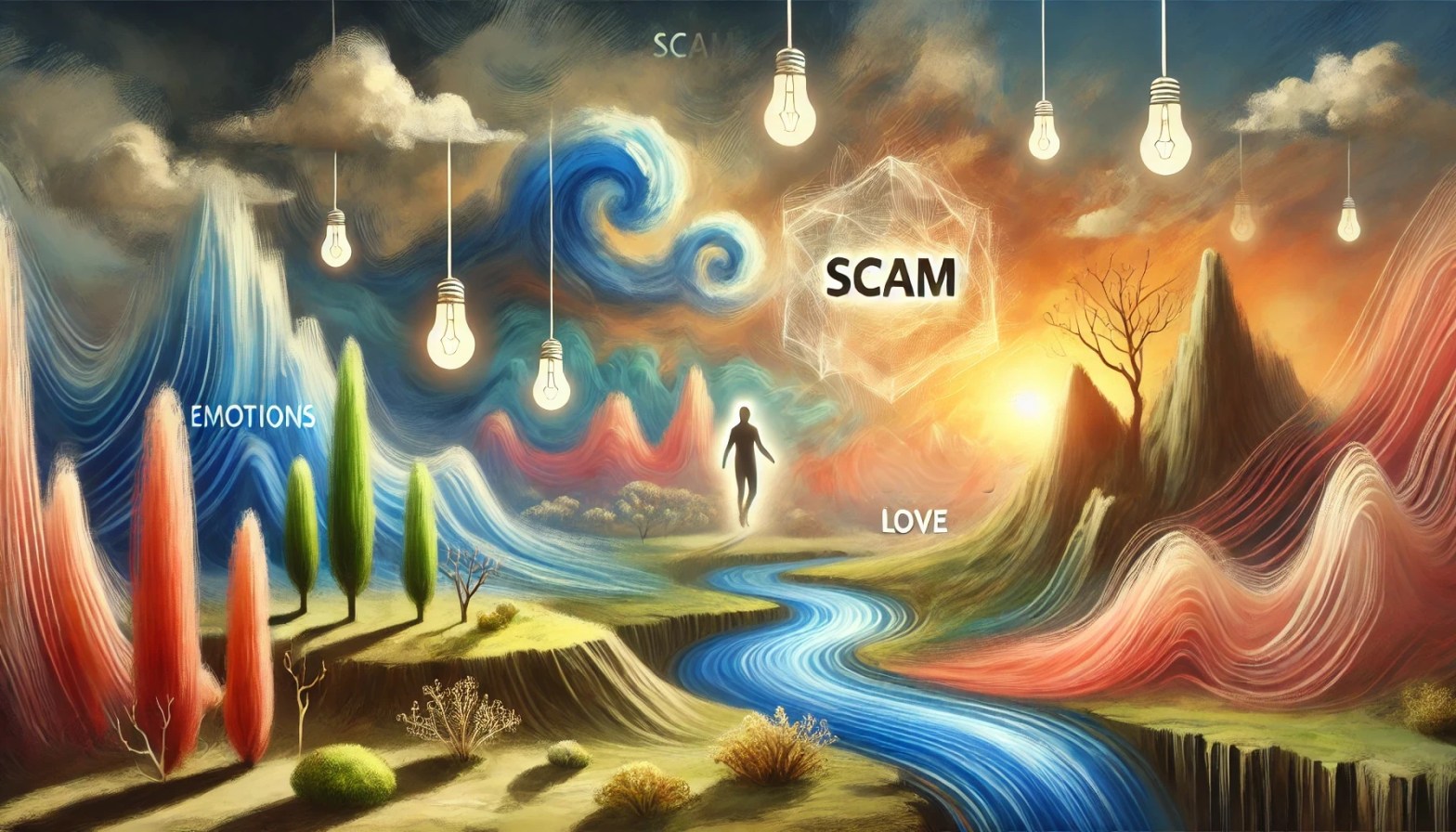
The Experience and Initial Reaction
At the beginning of the week, I fell victim to a scam. Looking back, I can now see there were multiple red flags along the way. However, I ignored them. I was in a rush, eager to make progress on something I believed would be beneficial, and feeling good about it—until the moment I realized I had been scammed.
In the immediate aftermath, I was overwhelmed by a mix of emotions: embarrassment, sadness, and anger. I questioned how I could have missed the warning signs. The feelings weighed heavily on me, and I struggled to accept that the event had happened.
The Emotional Impact
As the morning went on, those emotions lingered and began to influence my interactions with others. I felt highly irritable, and my words carried the frustration I was experiencing internally.
Anger is an emotion I rarely feel, and this experience brought it to the surface in a way that caught me off guard. I realized how easily emotions can spill into our daily lives, affecting how we treat others and respond to situations. This was a wake-up call to become more aware of how I process and regulate difficult emotions.
Lesson 1 – Emotional Awareness and Regulation
In moments of heightened emotion, it’s easy to let feelings dictate our actions. I knew I needed to pause and reflect. What lesson was this situation trying to teach me? I don’t believe in coincidences, and I also don’t think the only takeaway was to simply “watch out for scams.”
A key insight was learning to acknowledge and respect the emotions I was feeling rather than suppressing or denying them. By doing this, I became more conscious of how they influenced my behavior. I don’t want to bring anger or frustration into my relationships with others. This experience reminded me that emotional awareness is essential for maintaining healthy communication and well-being.
Lesson 2 – Vulnerability and Communication
As I reflected on the situation, I faced another internal conflict: How can I share this with my wife? Financial matters can be sensitive, and as a man, I found myself grappling with embarrassment and a fear of losing respect. My thoughts spiraled—if I couldn’t respect myself in that moment, how could I expect others to?
But I knew that keeping the experience to myself would only worsen the emotional burden. I chose to be vulnerable and shared the situation with her. To my relief, she didn’t respond with judgment or criticism. Instead, I received empathy and support, which made me feel lighter and more at peace.
This reinforced an important truth: vulnerability and open communication are crucial for emotional healing. When we share our experiences, especially the difficult ones, we allow others to support us and strengthen the bonds of trust in our relationships.
Lesson 3 – A Larger Perspective on Humanity
After processing my emotions, I reflected on the broader implications of the event. It’s disheartening to think that scams and even more harmful crimes exist in the world. However, as I walked outside later that day, a new thought entered my mind: The people who scammed me need more than money—they need love.
This realization shifted my perspective. Instead of dwelling on resentment, I chose to send love and compassion toward those who had wronged me. I understood that their actions stemmed from a place of lack, pain, or disconnection.
For me, this experience became a call to show up differently in the world. It’s on all of us to be a source of light, joy, and empathy for others. By spreading positivity, we can counterbalance the darkness and contribute to a more compassionate humanity.
Reflective Questions
- How do you typically handle difficult emotions like anger, embarrassment, or sadness?
- How can you practice vulnerability in your relationships to foster deeper understanding and support?
- What small actions can you take today to spread love and positivity in your community?
Conclusion: Growth Through Life’s Challenges
Life’s challenges, like being scammed, provide valuable opportunities for growth and reflection. By developing emotional awareness, sharing openly with loved ones, and choosing to spread compassion, we can turn setbacks into powerful lessons.
What step will you take today to respond to challenges with growth and empathy? Join me in committing to a life of awareness, kindness, and transformation.
 Engineer Your Life