Understanding the Phases and Tools of Coaching Can Help You Choose the Right Coach and Navigate Your Journey Effectively.
Summary: Coaching is a dynamic process with various phases and techniques tailored to individual needs. This article explores the typical coaching journey, from assessment to accountability and reflection, along with common techniques like the GROW model, SMART goals, and visualization. These tools, combined with trust and active listening, form the foundation of impactful coaching.
Key Points:
- Phases of Coaching: The coaching journey typically includes an initial assessment, goal-setting, action planning, implementation, and ongoing reflection and adjustment.
- Importance of Alignment: Finding a coach who resonates with your personality, approach, and preferred techniques is crucial for success.
- Common Techniques: Tools like the GROW model, SMART goals, visualization, active listening, and powerful questioning are foundational to coaching.
- Tracking Progress: Regular reflection, journaling, and feedback sessions help monitor progress and maintain alignment with goals.
- Choosing the Right Coach: A coach should inspire trust and use methods that resonate with your needs and aspirations.
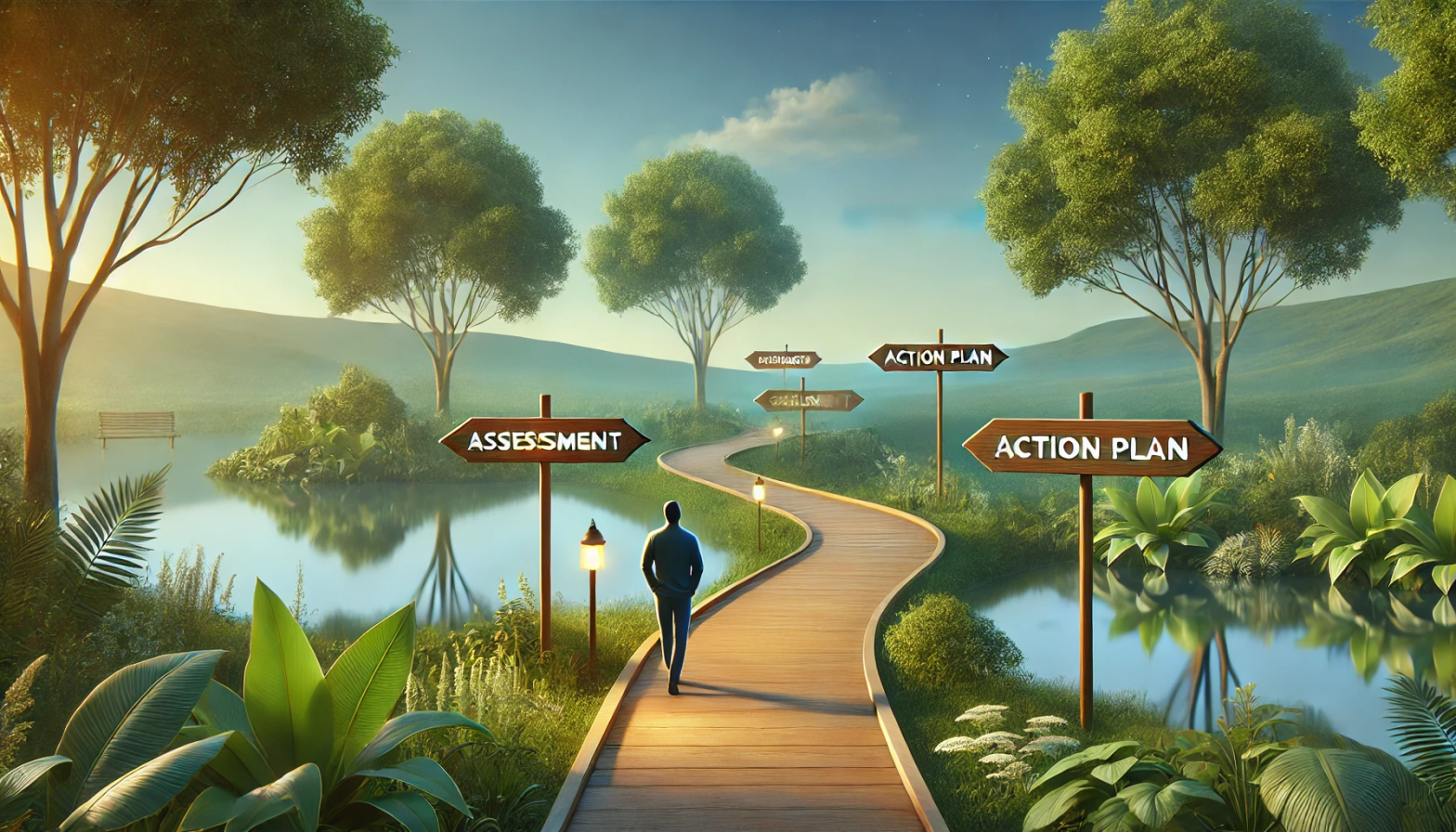
The Coaching Process
While every coach’s approach may vary, most coaching journeys follow a general framework. The phases of coaching are designed to clarify where you are, where you want to go, and how to get there, with continuous evaluation and adjustment along the way.
1. Initial Assessment
The coaching process often begins with an initial assessment or gap analysis:
- Where Are You Now? This involves exploring your current situation, values, challenges, and habits.
- Where Do You Want to Be? Together with your coach, you define your vision, aspirations, and desired outcomes.
This phase establishes the foundation for the coaching journey, providing clarity on what needs to change and why.
2. Goal Setting and Action Planning
Once the starting point is clear, the focus shifts to setting meaningful goals and creating an action plan.
- Defining Goals: Goals should align with your values and aspirations, ensuring they are both motivating and realistic.
- Strategic Planning: Coaches work with you to identify the steps required to bridge the gap between your current state and your goals.
An essential part of this phase is recognizing that the plan may evolve. You’ll uncover the right actions for you as you go, adjusting the strategy as needed.
3. Implementation and Accountability
Coaching isn’t just about planning—it’s about action and follow-through. A coach acts as your accountability partner, helping you:
- Stay focused on your goals.
- Address obstacles, such as limiting beliefs or external challenges.
- Celebrate progress and build momentum.
Accountability ensures that you keep moving forward, even when motivation wanes or setbacks occur.
4. Continuous Reflection and Adjustment
Reflection is not reserved for the end of the coaching process—it’s ongoing.
- Evaluate Progress: Are you moving in the right direction? If not, why?
- Reassess Goals: If you’re not motivated to follow through, the goal may not resonate. Exploring why you chose it can lead to valuable insights.
This iterative process keeps the coaching journey dynamic, ensuring it aligns with your evolving needs and circumstances.
Techniques in Coaching
Coaching involves a variety of techniques designed to support clarity, motivation, and self-discovery. While this list is not exhaustive, these are some commonly used methods:
1. The GROW Model
The GROW model is a structured framework for coaching conversations:
- Goal: Define what you want to achieve.
- Reality: Assess your current situation honestly.
- Options: Explore possible strategies and actions.
- Way Forward: Decide on the next steps and commit to them.
This model helps create a clear path from goal-setting to actionable outcomes.
2. SMART Goals
Setting SMART goals ensures they are:
- Specific: Clearly defined and focused.
- Measurable: Trackable with tangible criteria.
- Achievable: Realistic within your resources and capabilities.
- Relevant: Aligned with your values and priorities.
- Time-Bound: Linked to a deadline or timeline.
SMART goals provide structure and help you stay on track toward achieving meaningful results.
3. Visualization
Visualization is a powerful technique that involves using mental imagery to:
- Picture yourself achieving your goals.
- See yourself overcoming obstacles.
- Envision the person you want to become.
By mentally rehearsing success, you prime yourself for confidence and action.
4. Active Listening
One of the most fundamental coaching techniques is deep listening. A coach creates a space of trust, allowing you to fully express yourself without judgment. Through active listening, the coach can identify underlying patterns, emotions, and beliefs that might be holding you back.
5. Asking Powerful Questions
Coaches use open-ended, thought-provoking questions to:
- Encourage self-reflection.
- Challenge assumptions, beliefs, and perspectives.
- Inspire insights and new ways of thinking.
For example:
- “What’s holding you back from pursuing this goal?”
- “What would success look like for you in this situation?”
These questions guide you toward deeper understanding and actionable solutions.
Tracking Progress
Monitoring progress is essential for staying on course and maintaining motivation. Coaches may use different methods, such as:
- Reflection During Sessions: Regularly discussing what’s working and what’s not.
- Journaling: Encouraging clients to document their experiences, insights, and progress.
- Action Plan Reviews: Revisiting and adjusting the action plan based on outcomes.
- Feedback Sessions: Dedicated discussions to assess growth and identify areas for further focus.
Tracking progress ensures accountability and highlights the strides you’ve made, even when they feel small.
Choosing the Right Coach
The coaching process and techniques are effective when they resonate with you. When selecting a coach, consider:
- Personality: Do you feel comfortable and connected with them?
- Approach: Does their method align with your needs and preferences?
- Process and Techniques: Are you drawn to their coaching style and tools?
Coaching is a partnership, and the right coach will inspire trust, motivation, and empowerment throughout your journey.
What’s Next? Exploring the Skills and Qualities of a Great Coach
This article outlined the typical phases and techniques of coaching, providing insight into how the process works. In the next article of this series, we’ll focus on the skills and qualities of an effective coach, such as empathy, adaptability, and communication, to help you better understand what to look for in a coaching partner.
Reflective Questions
- What phase of the coaching process resonates most with where you are right now?
- Which techniques, like SMART goals or visualization, could support your personal or professional growth?
- How might regular reflection and accountability help you stay aligned with your goals?
Conclusion: The Power of Process and Techniques in Coaching
Coaching is a dynamic, personalized journey that guides individuals from self-discovery to actionable growth. Whether it’s setting clear goals, visualizing success, or staying accountable, the process and techniques provide a structured yet adaptable framework for transformation.
Choosing the right coach and engaging fully with the process can open doors to clarity, confidence, and meaningful progress. Whatever your goals may be, the journey begins with understanding where you are and committing to where you want to go.
 Engineer Your Life